Winter can be a beautiful season, but it also brings the risk of frozen pipes for homeowners in Sammamish. When temperatures drop, the water inside your pipes can freeze and cause serious damage. Understanding why pipes freeze and taking steps to prevent it can save you a lot of trouble and money.
Frozen pipes are more than just an inconvenience. They can result in burst pipes, leading to flooding, water damage, and expensive repair bills. It’s crucial to recognize the signs of a freezing pipe before it becomes a major problem. Common signs include reduced water flow and frost on visible pipes. Acting quickly when you notice these signs can make a big difference.
By preparing your home for winter and adopting smart daily habits, you can keep your pipes warm and avoid the risks of freezing. Simple things like letting faucets drip and opening cabinet doors to let warm air circulate can help. Being proactive and informed is the best way to protect your home from the costly damage that frozen pipes can cause.
Understanding the Risks of Frozen Pipes
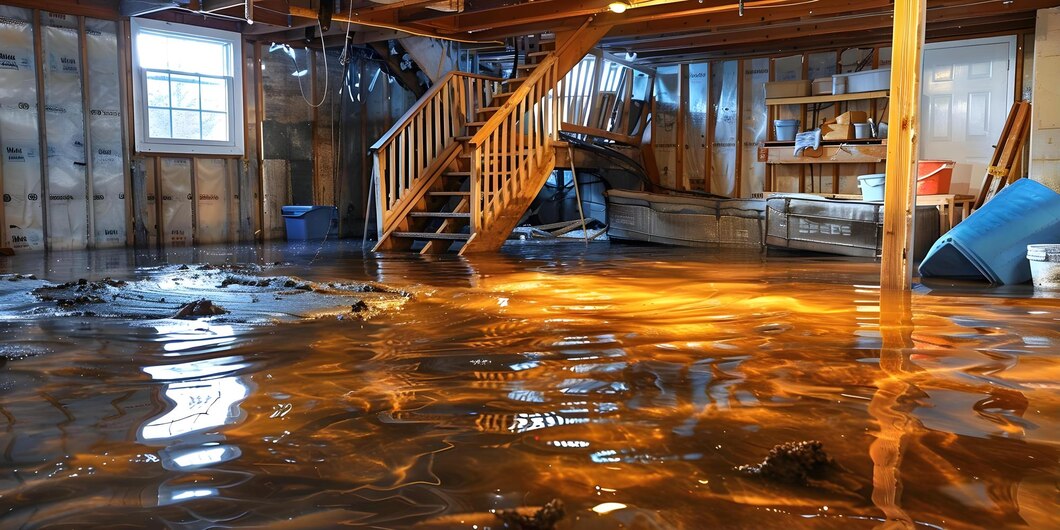
Pipes freeze because the water inside them turns to ice when temperatures drop below 32 degrees Fahrenheit. Water expands as it freezes, putting pressure on the pipe walls, which can cause them to crack or burst. When a pipe bursts, it can release a large amount of water quickly, resulting in significant water damage to your home. This can affect walls, floors, furniture, and personal belongings, leading to costly repairs.
There are some warning signs that a pipe might be freezing. One common sign is a reduction in water flow from your faucets. If you notice that water is coming out slowly, it could mean that ice is forming inside the pipe. Another sign is frost or condensation on exposed pipes. If you see frost, it means the temperature inside the pipe has dropped below freezing.
Burst pipes can be very expensive to fix. The cost of repairing the pipe itself can range from a few hundred dollars to several thousand, depending on the damage’s extent. The additional cost of fixing water damage to your home can easily run into the thousands, especially if mold develops or structural repairs are needed. Being aware of these risks helps emphasize the importance of preventing frozen pipes.
Preparing Your Home for Winter
Getting your home ready for winter is key to preventing frozen pipes. Here’s a helpful checklist:
1. Check for Leaks: Inspect your pipes for any leaks and fix them promptly. Even small leaks can freeze and cause big problems.
2. Seal Cracks: Seal any cracks or holes in your walls, floors, and foundation, especially those near pipes.
3. Disconnect Hoses: Remove and store garden hoses. Drain and shut off outdoor faucets to prevent water from freezing in the pipes.
Insulating pipes in unheated areas like attics, basements, and garages is also beneficial. Use foam pipe insulation or heat tape to keep pipes warm. Focus on pipes near exterior walls and windows, as these are most vulnerable to freezing. Adding insulation to your home’s walls and attic can help maintain a warmer indoor temperature, which also benefits your pipes.
Winterizing outdoor faucets and sprinkler systems is another vital step. Follow these tips:
– Drain Sprinkler Systems: Blow out water from your sprinkler system using compressed air to prevent water from freezing inside the pipes.
– Insulate Outdoor Faucets: Cover outdoor faucets with insulated covers, which are available at hardware stores.
– Turn Off the Water Supply: If you have an outdoor water supply line, shut it off and drain the remaining water inside to prevent freezing.
Following these steps can help you avoid the costly damage that comes with frozen and burst pipes. Preparing now can save you a lot of trouble and expense when winter hits.
Daily Habits to Keep Pipes Warm
Keeping your pipes warm throughout winter involves some simple daily routines. First, let your faucets drip slightly, especially during very cold nights. Moving water through the pipes, even a small amount, helps prevent them from freezing.
Maintaining a consistent indoor temperature is also crucial. Keep your thermostat set to the same temperature during day and night. A steady temperature reduces the likelihood of pipes freezing during unexpected cold spells. This habit also helps you save on heating costs by avoiding sudden temperature fluctuations.
Additionally, opening the cabinet doors under sinks and other plumbing fixtures allows warm air to circulate around the pipes. This is essential in kitchens and bathrooms, especially those located along exterior walls. These small habits can make a big difference in keeping your pipes from freezing and bursting during winter.
Emergency Measures if Pipes Freeze
If you suspect a pipe has frozen, act quickly to prevent it from bursting. Here are the immediate steps you should take:
1. Turn Off the Water: Shut off the main water supply to prevent more water from entering the pipes and causing further damage.
2. Open Faucets: Open the faucets connected to the frozen pipe to relieve pressure. This also helps water to start flowing once the ice begins to melt.
3. Apply Heat: Use safe methods to thaw the frozen pipe. Wrap the pipe with a warm towel, use a hair dryer on a low setting, or place a portable space heater nearby. Never use an open flame or high heat source, as this can damage the pipe or cause a fire.
Knowing when to call a professional is crucial. If you can’t locate the frozen section, if the pipe is inaccessible, or if you suspect the pipe has burst, contact a plumber immediately. Professional help can ensure the pipe is properly repaired or replaced, preventing additional damage to your home.
Final Thoughts
Preventing frozen pipes is a smart way to protect your home from winter troubles. Understanding why pipes freeze and recognizing the signs can help you act before significant damage occurs. By preparing your home, adopting daily habits, and knowing what to do in an emergency, you can protect your pipes and avoid costly repairs.
Your home’s safety is vital, especially during the harsh winter months in Sammamish. Taking proactive steps can save you stress and money. If you do encounter water damage or need urgent assistance, reach out for expert help immediately.
For those who find themselves facing burst pipes and other related issues, Environment Control of North Seattle is here to help. We offer fast and professional cleanup and restoration services to get your home back to normal. Contact us today for reliable support and peace of mind.